Inter-cylinder pressure: why this adjustment makes all the difference in offset printing
Quality begins before printing
When discussing quality in offset printing, people often think of the press, the ink, or the blanket. However, there is another factor that is just as important: the pressure between the cylinders.
Improper adjustment can compromise ink transfer, increase blanket wear, and reduce production stability.
What happens when the pressure isn't right?
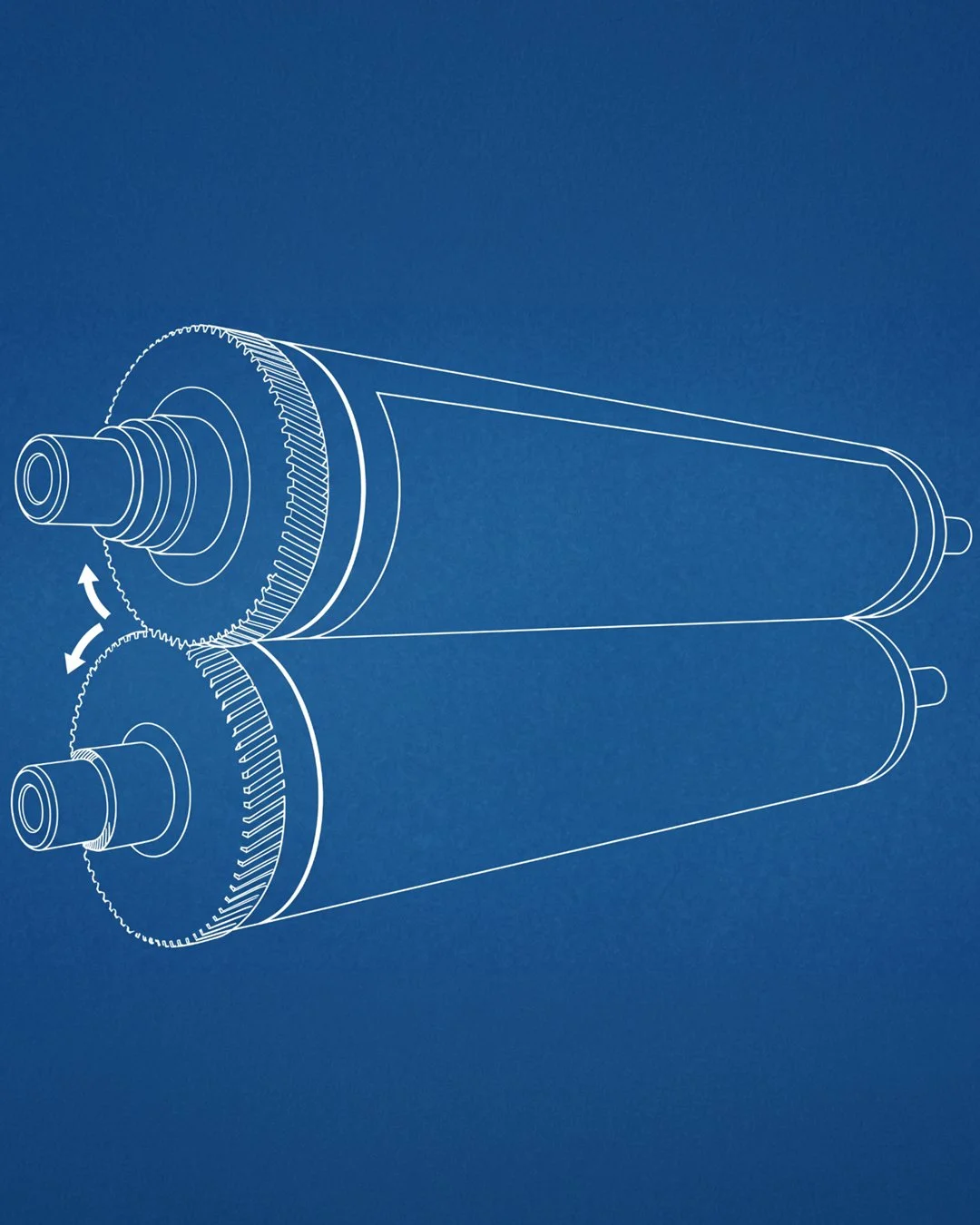
The pressure between the plate, the blanket, and the paper must be balanced.
When this setting is above or below the recommended level, problems such as the following may arise:
loss of print resolution;
variations in ink transfer;
increased paper waste;
greater need for adjustments during production;
premature wear of the blanket.
Excessive pressure also leads to costs
It's common to assume that more pressure means a better print.
In practice, excess pressure can accelerate wear on the press components and reduce the blanket's service life, in addition to increasing the risk of instability during the print run.
A stable process depends on the whole
The machine, operator, settings, and materials all work together.
Therefore, the best blanquette delivers its best performance when used under the conditions recommended by the press manufacturer.
The stability of offset printing is the result of a balance between various factors.
Maintaining the correct pressure setting is one of the most effective ways to improve print quality, reduce waste, and increase productivity.
Would you like to assess whether your operation is running under optimal conditions?
Schedule a technical visit with the Dugraf Mexico team.