
Does the blank sheet really affect print quality?
In offset printing, the quality of the final product depends on a number of variables that must work in harmony. The press, the ink, the paper, the settings, and the supplies used are all part of the same system.
Among these components, the blanquette plays a key role.
Responsible for transferring the image from the plate to the substrate, the blanket plays a direct role in one of the most important stages of the printing process. Therefore, its selection, operating conditions, and performance can influence the quality, stability, and productivity of the entire operation.
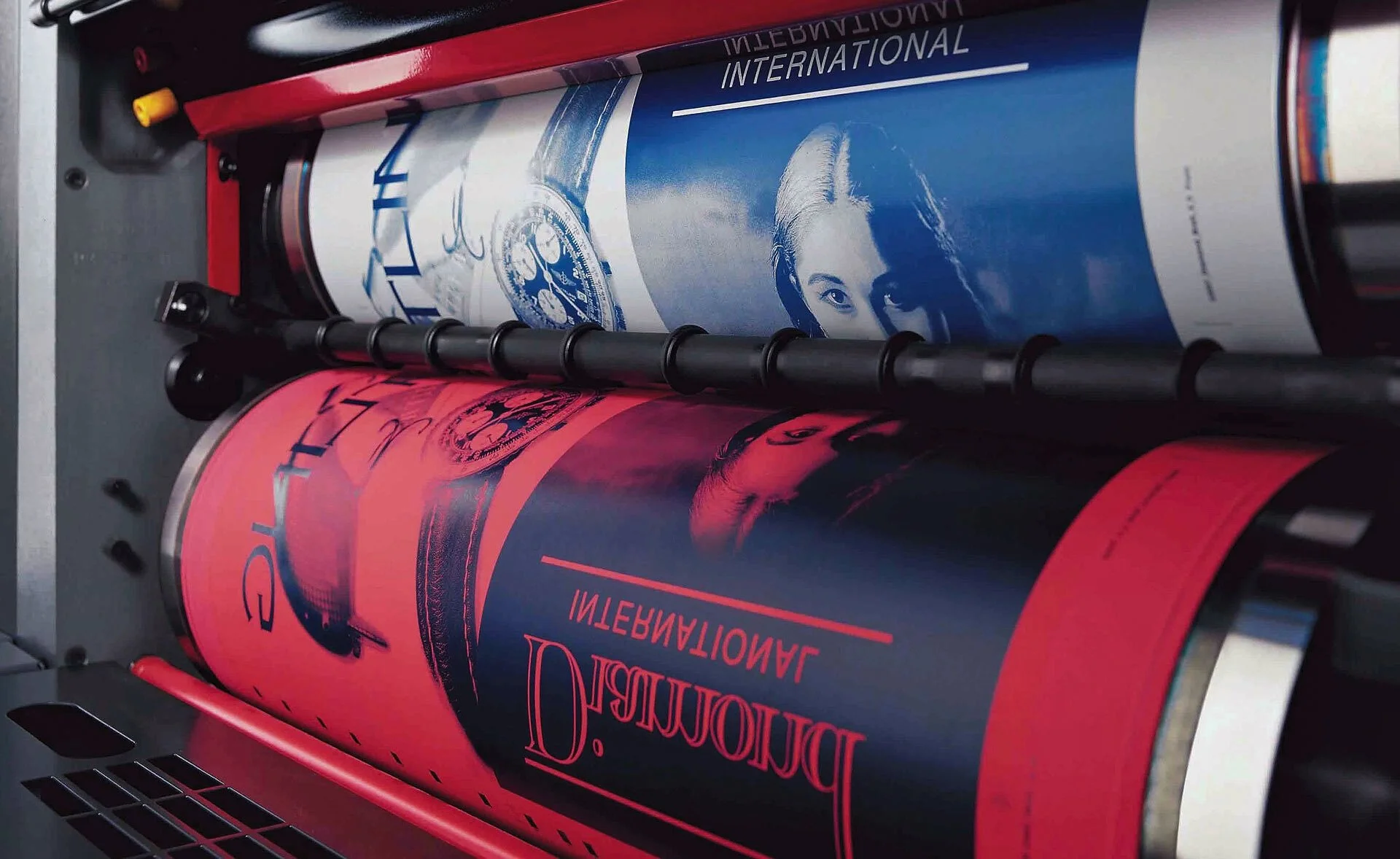
The blank is an essential part of the image transfer process
In the offset printing process, the image is not transferred directly from the plate to the paper or other substrate. First, it is transferred to the blanket, and then to the surface to be printed.
This means that the characteristics and performance of the blanket can directly influence the quality of the transfer and the consistency of the final result.
A blanket that is suitable for the application helps ensure uniform and stable transfer throughout production.
Print Quality and Resolution
When it comes to quality in offset printing, every detail matters.
A blanket with characteristics suited to the process can contribute to more consistent reproduction and efficient image transfer.
On the other hand, an inappropriate choice or a blank that no longer meets the necessary operating conditions can affect process performance and require additional adjustments during production.
Therefore, regularly checking the condition of the blanket is an important practice for maintaining print quality and consistency.
Stability during the draw
Consistency is one of the main goals of any offset printing operation.
It's not enough to achieve a good result at the start of the job. You have to maintain that level of performance throughout the entire print run.
A properly adjusted blanket contributes to process stability and can help reduce the need for frequent adjustments during production.
For a printing company, greater stability means more predictability, better utilization of machine time, and greater consistency in the jobs produced.
Blanquette can also affect productivity
The relationship between blanqueta and productivity is not always obvious, but it does exist.
When the process requires constant adjustments, is unstable, or generates waste, the impact is not limited to print quality. It also affects production time, material utilization, and operating costs.
Therefore, when choosing a blanket, one must consider not only the price of the material, but also its suitability for the process and its contribution to the printer’s overall performance.
The right technical decision can help reduce downtime, minimize waste, and ensure a more stable and efficient operation.
There is no single blank that works for all applications
Each operation has its own specific characteristics.
The type of printer, the substrate used, the job requirements, and the production conditions are some of the factors that should be considered when choosing a printing blanket.
Therefore, this decision should not be based solely on a generic specification.
Understanding the actual needs of the operation is essential to identifying the most appropriate solution for each application.
Making the right choice starts with understanding the process
At Dugraf, we believe that a high-performance solution begins with understanding each client’s unique situation.
Our team works closely with printing companies to learn about their processes, understand their challenges, and help identify the most appropriate solutions for each offset printing application.
More than just supplying materials, we seek to build relationships based on technical expertise, close collaboration, and results.
Is the blanket you use the most suitable one for your operation?
Every printing process has different requirements. Understanding these specific characteristics is the first step toward achieving greater stability, quality, and productivity.
Schedule a visit with a Dugraf specialist. Our team is ready to learn about your process, understand your challenges, and discuss opportunities for improvement in your operation.