5 Signs It's Time to Replace the Blanket on Your Offset Press
The quality of offset printing depends on several factors, and the blanket is one of the components that most influences the process’s performance. However, it is common for it to be replaced only after problems have already begun to affect production.
Although there is no set timeframe for replacement, certain signs indicate that the blanket may no longer be performing as expected. Identifying these signs early helps preserve print quality, reduce waste, and maintain productivity.
1. Print quality is no longer consistent
If the print begins to show defects, loss of definition, variations in density, or irregularities in ink transfer, it is important to assess the condition of the blanket.
As it wears out, it may lose its ability to reproduce the image accurately, compromising the final print quality.
2. The machine's setup time has increased
When each new job requires more adjustments to achieve the desired result, the blanket may be contributing to this behavior.
A worn component tends to reduce process stability, requiring more operator intervention and increasing machine setup time.
3. Paper and ink waste has increased
The increase in the number of discarded leaves is one of the first impacts noticed in production.
When the blanket no longer provides uniform ink transfer, the need for reprints and adjustments increases, driving up operating costs.
4. There are visible signs of wear and tear
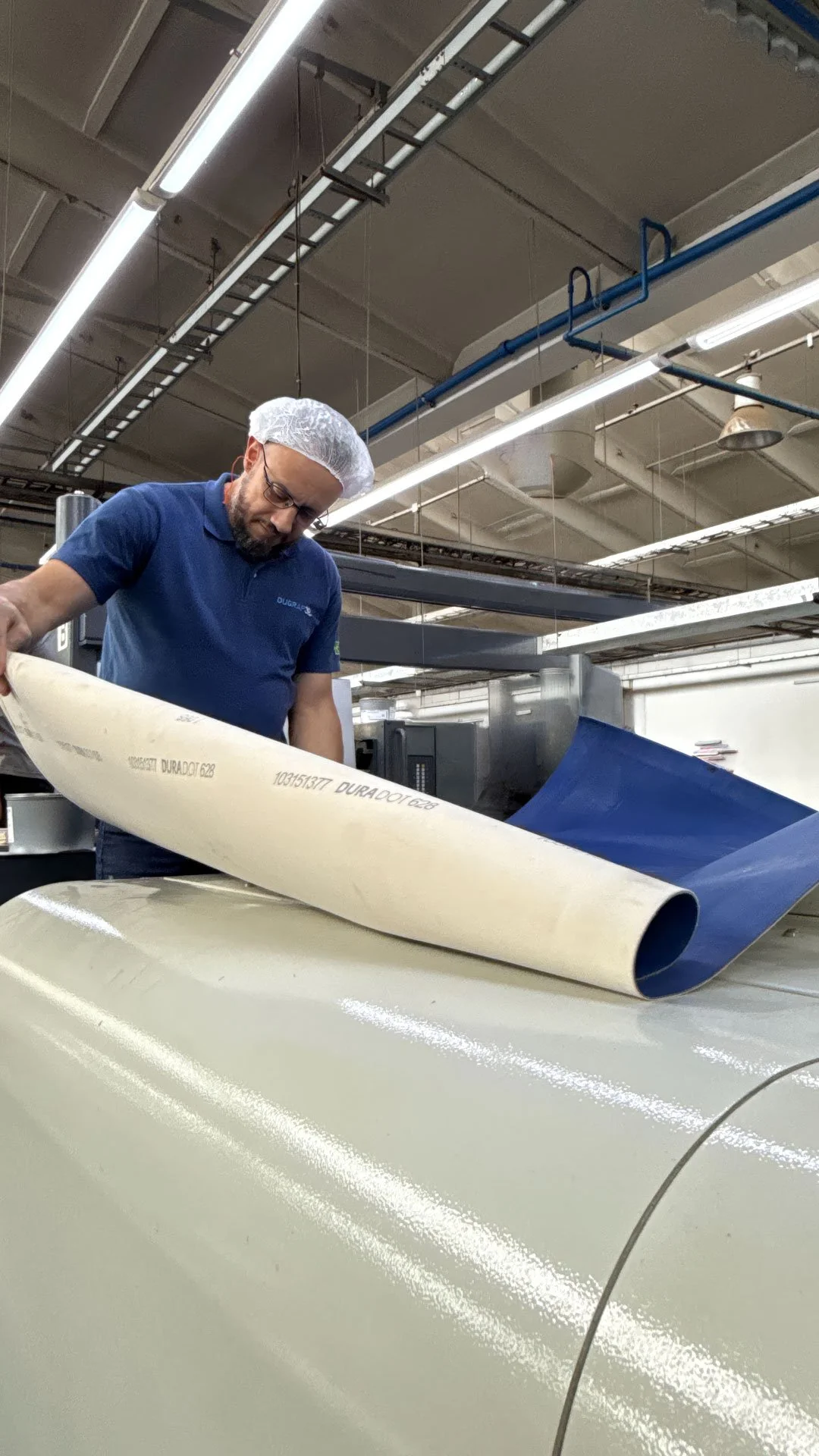
Cuts, marks, deformations, surface hardening, or loss of elasticity are clear signs that the blanket needs to be inspected.
Even when these signs seem minor, they can directly affect performance during printing.
5. Print stability has decreased
Another important sign is when the print starts out with good quality but loses consistency as the run progresses.
Fluctuations during production may indicate that the blanket is no longer able to maintain consistent performance, compromising productivity and process predictability.
Making the right move at the right time makes all the difference
Waiting for the blanquette to show obvious defects is not always the best strategy. In many cases, the decline in performance occurs gradually, and its effects are only noticed once they begin to impact quality, waste, and operating costs.
Therefore, rather than setting a fixed replacement interval, it is more important to regularly monitor print performance and assess the condition of the blanket.
Technical analysis can help identify the ideal time for replacement and ensure that the equipment continues to operate at maximum efficiency.
Schedule a technical visit
Want to know if the blanket used in your operation is still performing as expected?
Dugraf's technical team can evaluate your process and recommend the most appropriate solution to maintain print quality, reduce waste, and increase productivity.
Schedule a visit with a Dugraf specialist.